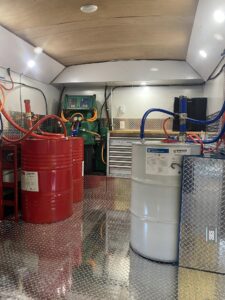
sea can spray foam insulation Vancouver Island

Sea Can Spray Foam Insulation

Sea Can Spray Foam Insulation for Vancouver Island

Using Spray Foam Insulation for Shipping Containers

Sea can spray foam insulation is an effective way to improve the comfort, moisture resistance and temperature control of shipping containers used throughout Vancouver Island. Sea cans are popular for secure storage, workshops, agricultural buildings, job-site offices, retail spaces and custom container projects, but their steel walls can create significant condensation and temperature-control problems in our damp coastal climate.

2 lb. closed-cell spray foam provides a durable layer of insulation that adheres directly to the inside of the steel container. It helps reduce heat transfer, seal air leaks and limit the conditions that contribute to condensation, helping protect both the container and its contents.

Complete Spray Foam has extensive experience providing spray foam insulation for sea cans and shipping containers throughout Vancouver Island, including Nanaimo, Parksville, Qualicum Beach, Courtenay, Comox, Campbell River, Duncan, Port Alberni and surrounding communities.

Why Do Sea Cans Have Condensation Problems?

A shipping container is essentially a large steel box. Steel conducts temperature readily, so the interior surfaces can become very cold when outdoor temperatures drop.

When warm, humid air inside the container contacts those cold surfaces, condensation can form. Over time, moisture can contribute to:

  • Rust and corrosion
  • Mold and mildew
  • Damage to tools and equipment
  • Deterioration of stored materials
  • Damp or uncomfortable working conditions

This can be particularly important on Vancouver Island, where humid coastal conditions are common.

Closed-cell spray foam is applied directly to the interior steel surfaces, creating a continuous insulating layer between the metal walls and the interior space. By improving the thermal performance of the container and reducing air movement against the cold steel, spray foam can significantly reduce the conditions that lead to condensation.

What Is Closed-Cell Spray Foam Insulation?

Spray foam insulation is applied as a liquid using specialized equipment. The material expands and cures to form a rigid insulation layer that adheres to the surface underneath.

There are two primary types of spray foam insulation: open-cell and closed-cell.

For shipping containers and sea cans, 2 lb. closed-cell spray foam is often a particularly suitable option because of its combination of thermal performance, density, durability and resistance to moisture.

Closed-cell foam also provides excellent air sealing. It can help reduce drafts and unwanted air movement around seams, joints and other areas of the container envelope.

Why Use 2 lb. Closed-Cell Spray Foam for a Sea Can?

There are several reasons closed-cell spray foam is commonly selected for shipping container insulation.

1. Excellent Thermal Performance

Closed-cell spray foam provides a high R-value per inch, allowing a relatively thin layer of insulation to provide significant thermal resistance.

This can help moderate temperature swings inside a sea can, making the space more suitable for storage, work areas and other uses where temperature control matters.

2. Helps Control Condensation

Condensation is one of the biggest concerns when converting or using an uninsulated steel shipping container.

By insulating the steel from the interior environment and reducing temperature differences at the surface, closed-cell spray foam can help reduce condensation-related problems.

Proper ventilation and moisture management are also important, particularly when a container is being converted into a regularly occupied space.

3. Moisture Resistance

Closed-cell foam has a dense cellular structure and is highly resistant to moisture. When properly installed, it provides an effective insulating barrier against the steel container walls.

This makes it well suited to Vancouver Island’s wet and humid coastal conditions.

4. Excellent Air Sealing

Shipping containers have seams, joints, corners and other areas where unwanted air movement can occur.

Spray foam expands and adheres to the surrounding surfaces, helping create a continuous air barrier and reducing drafts and air leakage.

5. Durable and Long-Lasting

Unlike loose insulation that can shift or settle, properly installed closed-cell spray foam adheres to the substrate and remains in place.

For a sea can that may be exposed to demanding conditions over many years, a durable insulation system can provide an important long-term benefit.

Common Uses for Insulated Sea Cans

Insulated shipping containers can be used for a wide variety of applications, including:

  • Construction and job-site storage
  • Agricultural and farm storage
  • Workshops and hobby spaces
  • Container offices
  • Retail and commercial spaces
  • Marine and fishing equipment storage
  • Equipment and tool storage
  • Temperature-sensitive inventory
  • Container conversion projects
  • Tiny homes and other specialized structures

The appropriate insulation approach can depend on how the container will be used, whether it will be heated or cooled, and what type of interior finish or build-out is planned.

How Is Spray Foam Applied to a Sea Can?

Professional installation begins with assessing the condition of the container and preparing the surfaces for proper adhesion.

1. Inspecting and Preparing the Container

The steel surfaces should be inspected before spraying. Existing rust, dirt, loose coatings or other conditions that could interfere with adhesion may need to be addressed first.

It is also important to identify any leaks, structural concerns or other issues that should be corrected before insulation is installed.

2. Applying the Spray Foam

Specialized spray equipment is used to apply the closed-cell foam directly to the interior surfaces.

The installer builds the insulation to the appropriate thickness while working around corners, seams, doors and other features of the container.

3. Trimming and Finishing

Once the foam has cured sufficiently, excess material can be trimmed where necessary to provide a suitable surface for the next stage of the project.

Depending on the intended use of the sea can, the insulated interior may then receive plywood, drywall, another interior finish or other components as part of the conversion.

Does a Sea Can Need More Than Insulation?

In many cases, yes.

Spray foam can substantially improve the thermal performance and moisture management of a shipping container, but insulation is only one part of creating a comfortable and functional space.

If the sea can will be occupied or used as a heated or cooled workspace, factors such as ventilation, electrical systems, doors, windows, interior finishes and moisture management should also be considered.

For simple storage applications, the priorities may be different.

The right approach depends on what you plan to do with the container.

Why Choose an Experienced Spray Foam Contractor?

Spray foam installation is not simply a matter of filling a container with foam. Proper surface preparation, application technique, foam thickness and site conditions all affect the finished result.

An experienced spray foam contractor can assess the container and recommend an approach based on how it will be used.

Complete Spray Foam has extensive experience working with spray foam applications throughout Vancouver Island. From agricultural and construction storage to specialized container projects, the company brings practical field experience to each job.

Whether you are insulating a sea can for storage, converting it into a workshop or building something more specialized, getting the insulation right from the beginning can save time and avoid problems later.

Sea Can Spray Foam Insulation Vancouver Island

For Vancouver Island property owners and businesses, 2 lb. closed-cell spray foam can be an excellent insulation solution for shipping containers.

It provides strong thermal resistance, moisture resistance and air sealing while adhering directly to the steel surfaces of the container. Most importantly, it can help address one of the biggest problems with uninsulated sea cans: condensation caused by temperature differences between the steel exterior and the interior environment.

Complete Spray Foam provides professional sea can spray foam insulation throughout Vancouver Island, including Nanaimo, Parksville, Qualicum Beach, Courtenay, Comox, Campbell River, Duncan and Port Alberni.

If you’re planning to insulate a sea can, contact Complete Spray Foam for an assessment and free estimate.

Frequently Asked Questions About Sea Can Spray Foam Insulation

Is spray foam good for insulating a sea can?

Yes. Closed-cell spray foam is well suited to steel shipping containers because it provides high thermal resistance, adheres directly to the metal and offers good resistance to moisture and air movement.

What type of spray foam is best for a shipping container?

2 lb. closed-cell spray foam is commonly used for sea cans because it provides excellent thermal performance in a relatively thin layer while offering good moisture resistance and durability.

Will spray foam stop condensation in a sea can?

Spray foam can significantly reduce the conditions that cause condensation by insulating the steel surface and reducing temperature differences. However, ventilation and overall moisture management are also important, especially in an occupied or heated container.

How thick should spray foam be in a sea can?

The appropriate thickness depends on the intended use of the container, the desired thermal performance and the overall construction. An experienced spray foam contractor can recommend an appropriate application for the specific project.

Can a sea can be used as a workshop after spray foam insulation?

Yes. Insulated shipping containers are commonly used as workshops and workspaces. The complete conversion should also consider ventilation, heating or cooling, electrical requirements, interior finishes and other building components.

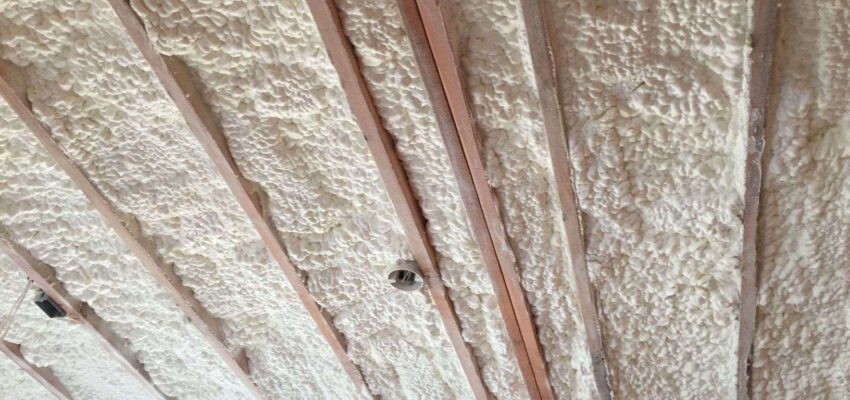
1/2 LB open cell spray foam

Open Cell Spray Foam

Open Cell Spray Foam: An Efficient & Versatile Insulation Solution

Open cell spray foam is a popular insulation material known for its energy efficiency, flexibility, and cost-effectiveness. It expands upon application, creating an air-sealing barrier that improves indoor comfort and reduces energy costs. 1/2 LB Spray Foam is a types of open cell spray foam.

Learn More About 1/2 LB Spray Foam Solutions | HERE |

What is 1/2 LB Open Cell Spray Foam?

Open cell spray foam is a type of polyurethane foam with a light, spongy texture. Unlike closed-cell foam, which has a rigid structure, open cell foam contains air pockets that make it softer and more flexible. This structure allows it to expand significantly upon application, filling gaps and crevices to create an effective thermal and sound barrier.

Key Benefits of Open Cell Spray Foam

✅ Energy Efficiency – Creates an airtight seal that minimizes heat loss, reducing heating and cooling costs.
✅ Sound Absorption – Excellent at dampening sound, making it ideal for interior walls and ceilings.
✅ Cost-Effective – Generally more affordable than closed-cell spray foam while still offering strong insulation performance.
✅ Moisture Permeability – Allows moisture to pass through, reducing the risk of trapped condensation and mold growth.
✅ Eco-Friendly – Often made with water-based blowing agents and fewer chemicals than closed-cell alternatives.

Best Uses for 1/2 LB Open Cell Spray Foam

🔹 Attics & Roof Decks – Expands to fill cracks and prevent air leakage.
🔹 Interior Walls – Helps with soundproofing in homes and offices.
🔹 Crawl Spaces – Provides insulation while allowing moisture to escape.
🔹 Wood Framing & Stud Cavities – Expands into small spaces, reducing thermal bridging.

Open Cell vs. Closed Cell Spray Foam

While both types provide excellent insulation, closed-cell spray foam is denser, has a higher R-value per inch, and acts as a vapor barrier. Open cell foam, on the other hand, is more affordable, flexible, and better suited for soundproofing and indoor applications.

Is 1/2 LB Open Cell Spray Foam Right for You?

If you’re looking for an affordable, energy-efficient insulation solution that also provides soundproofing benefits, open-cell spray foam is an excellent choice. It’s particularly beneficial for interior spaces where moisture control and flexibility are important.

Complete Spray Foam is YOUR Vancouver Island Spray Foam Solutions Provider! Over 16+ Years in delivering customer satisfaction.  Get it done right the first time and on budget.

Contact Us for a FREE & Friendly quote | HERE |

2 LB spray foam vancouver island contractor

2 LB Spray Foam

2 LB Spray Foam

2 lb spray foam is a type of polyurethane foam commonly used for insulation and sealing purposes. It is a high-density foam with a weight of about 2 pounds per cubic foot, making it more rigid and durable compared to lighter spray foam options.

Complete Spray Foam is YOUR Solution for all spray foam applications, whether Residential, Commercial, Industrial or for Marine Applications.  Proudly serving Vancouver Island for over 16 years.  Contact the pros, and get the job done right the first time and on budget.

complete spray foam andrew
Contact Complete Spray Foam for a fast and friendly quote you can count on. Click | HERE |

Key Features of 2 lb Spray Foam:

  1. High Insulating Power: Its high density gives it excellent thermal insulation properties. It’s highly effective in sealing gaps and cracks, preventing heat transfer and moisture infiltration. This helps maintain consistent indoor temperatures and can reduce energy costs.
  2. Air and Moisture Barrier: 2 lb spray foam forms an airtight and watertight seal. This makes it particularly useful in preventing drafts, reducing air leakage, and protecting areas from water damage.
  3. Structural Support: Due to its rigidity, this type of foam also adds structural integrity to the surfaces it is applied to. It helps to reinforce walls, roofs, and floors, making them sturdier and less prone to movement or settling over time.
  4. Durability: 2 lb foam is highly durable and resistant to wear and tear. It maintains its insulating properties over time and is less likely to degrade or shrink compared to lower-density foam.
  5. Applications: 2 lb spray foam is often used in commercial and residential construction for insulation in attics, basements, crawl spaces, and walls. It is also applied in metal buildings, cold storage, and refrigerated areas, where thermal insulation is crucial.

Advantages:

  • Energy Efficiency: It creates a more energy-efficient home or building by significantly reducing the amount of energy needed for heating and cooling.
  • Soundproofing: Its density also helps with noise reduction, making it useful in areas that need soundproofing.
  • Long-Term Performance: Since 2 lb foam is highly durable, it tends to have a longer lifespan than some other types of insulation.

Considerations:

  • Installation Process: Spray foam requires professional installation, as it needs specialized equipment and expertise. It also requires proper ventilation during installation.
  • Cost: 2 lb spray foam is typically more expensive than fiberglass or lower-density foam, but it provides superior performance in terms of insulation and durability.

Overall, 2 lb spray foam is a powerful option for insulation and sealing, offering long-lasting performance, energy savings, and structural benefits.

LEARN MORE About the other types of spray foam application services we provide | HERE |
polyurea spray box liner

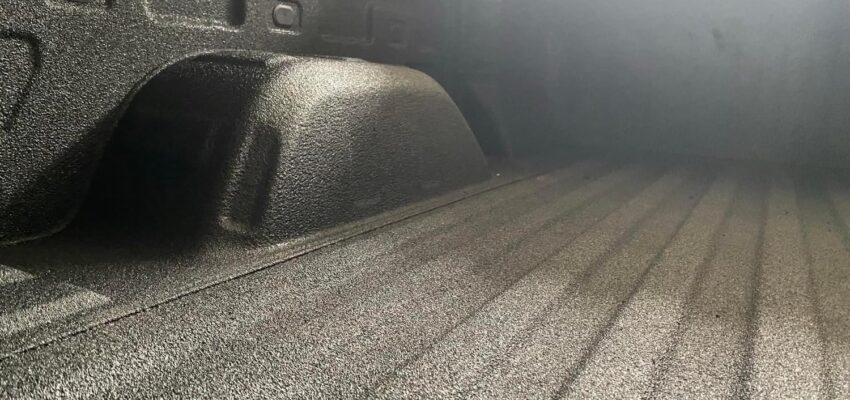
PolyUrea Truck Bed Liners

Polyurea Coatings & Truck Bed Liners

A common application of polyurea coatings is as bed liners, particularly in the automotive, transportation, and agriculture industries. Truck bed liners made from polyurea offer several advantages:

  1. Protection for Cargo: Polyurea truck box liners provide a tough, smooth surface that protects the box and its contents from damage caused by abrasion, impact, and environmental factors. For example, in trucks or trailers, the polyurea coating prevents cargo from shifting and protects the vehicle from wear and tear.
  2. Corrosion Resistance: In industries where vehicles and cargo boxes are exposed to moisture, chemicals, or salty environments (like those in coastal or industrial areas), polyurea liners create a barrier that prevents rust and corrosion.
  3. Customization: Polyurea coatings can be tailored to meet specific needs. They can be applied in various thicknesses and textures, depending on the type of protection needed. For example, in agricultural applications, thicker coatings can be used to prevent damage from harsh materials.
  4. Long-Lasting and Cost-Effective: Since polyurea is durable and resistant to various forms of damage, properly applied polyurea truck bed liners can extend the life of a vehicle or cargo container, reducing maintenance costs and the need for repairs over time.
  5. Ease of Maintenance: Polyurea coatings are easy to clean and maintain. Their smooth surface prevents dirt, debris, and other contaminants from adhering, making maintenance quicker and easier.

Learn More About Spray On PolyUrea Protective Coatings HERE

Complete Spray Foam is your solution for spray on truck bed liners and other polyurea protective coating applications including heavy equipment, agriculture, industrial, automotive and marine applications. With over 16+ years serving Vancouver Island and beyond, we are your professionals to get the job done right the first time and on budget.  Protect your investment, give us a call or email today to get started with a quote

HVAC Spray Foam Insulation

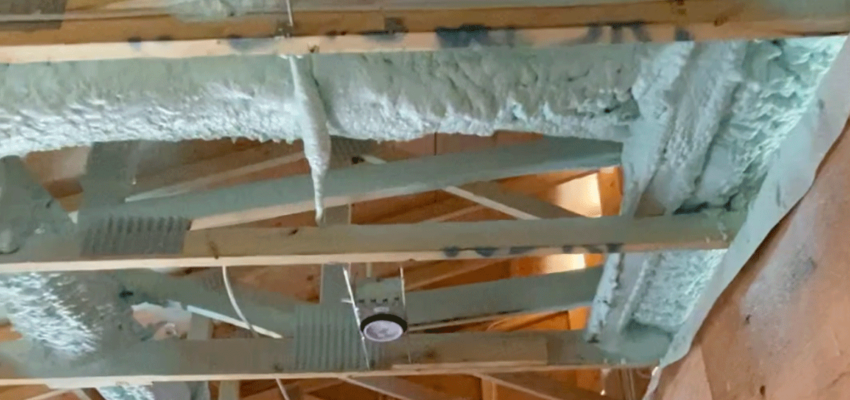
For HVAC spray foam insulation applications, 2 LB closed cell spray foam is an ideal choice.

2 LB closed cell spray foam has a high R-value (typically around R-6 to R-7 per inch of thickness), which means it provides excellent thermal insulation. It effectively reduces heat transfer, helping to keep buildings warmer in the winter and cooler in the summer. This helps to make it ideal in HVAC applications.

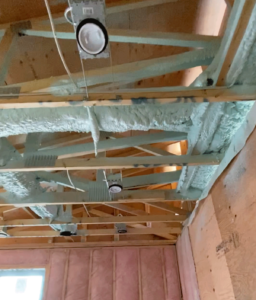
Besides reducing heat transfer from the duct work to the surrounding areas housing the ductwork, HVAC spray foam insulation applications dampen noise and vibrations that tend to occur, especially when using rigid duct work.  The result is a quieter living or working area that uses less energy annually for heating and cooling.

HVAC spray foam

2 LB Closed Cell Spray Foam Key Features:

  1. Density: The “2 lb” in the name refers to the density of the foam—2 pounds per cubic foot (lb/ft³). This density indicates a higher concentration of material in the foam, making it denser and more rigid compared to lower-density foam types (e.g., 1/2 lb or 1 lb spray foam).
  2. Closed-Cell Structure: The foam contains millions of tiny, closed-off cells. This structure makes it more resistant to moisture absorption compared to open-cell foam, providing a strong vapor barrier and helping to prevent water damage and mold growth. It is ideal for areas where moisture is a concern, such as basements, crawl spaces, exterior walls and is ideal for HVAC spray foam insulation applications.

Learn MORE About 2 LB Spray Foam HERE

vancouver island spray foam

Vancouver Island Spray Foam

Vancouver Island spray foam services are provided by Complete Spray Foam, with over 15 years experience delivering client satisfaction for a variety of spray foam applications.

Spray foam services we offer on Vancouver Island include:

1/2 LB open cell spray foam

1/2 lb open-cell spray foam is a type of insulation made from a polyurethane foam that is applied as a liquid but expands to a foam when sprayed onto surfaces.

1 LB spray foam

As a 1 lb spray foam, it is a low-density product. This makes it less rigid and more flexible than higher-density foams (such as 2 lb spray foam)

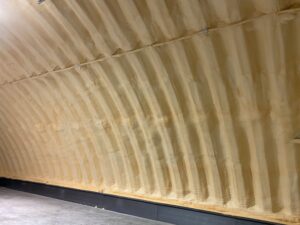
vancouver island spray foam quonset application

2 LB closed cell spray foam

2 lb closed-cell spray foam insulation is a high-performance insulation material that is often used in residential, commercial, and industrial applications

3 LB closed cell spray foam

3 lb spray foam insulation refers to a specific type of closed-cell spray foam insulation that has a density of 3 pounds per cubic foot. This high-density foam is known for its superior thermal insulation properties and structural reinforcement capabilities compared to lower-density spray foam options.

The above applications are just a few of the Vancouver Island spray foam types we offer!

Additionally Complete Spray Foam offers spray foam for structural repairs, pontoon and void fill in marine applications, hydrophobic foam for dock lift and repairs, polyurea coatings and box liners, and DC314 fire retardant spray applications.

Learn MORE about each type of spray foam application by visiting our SERVICES page, or give us a phone call or email for friendly and professional advice or Free Quotes for all of your spray foam insulation needs.

Complete Spray Foam proudly service Van Isle residential, commercial, industrial and marine applications–big or small.

We have the experience and capabilities to get your Vancouver Island spray foam job done right the first time and on budget. Join our family of satisfied customers here on Vancouver Island.

complete spray foam andrew


This website has been optimized for web searches by SEOVancouverIsland.ca

Sign Up for MORE